
The Complete Canggu Fitness Guide
Canggu has quietly become Southeast Asia's most serious fitness destination. This is where to train, eat, run, and recover across Berawa, Batu Bolong, and Echo Beach.
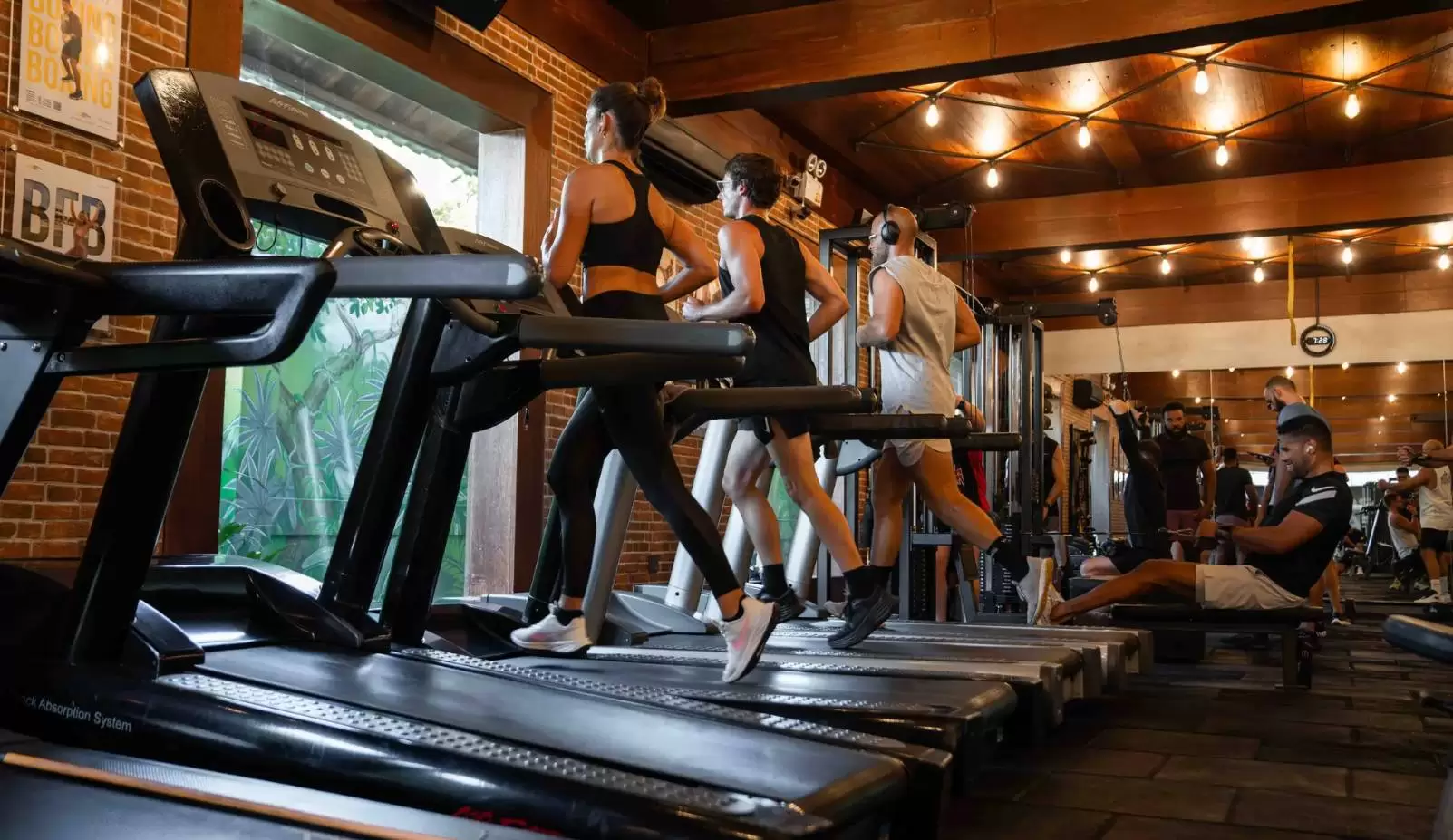
Canggu earned its reputation as a digital nomad base for reliable Wi-Fi and good coffee. But the fitness scene that has developed around that infrastructure is quietly world-class — density of quality training facilities per square kilometer that rivals neighborhoods in Melbourne or Berlin. If you're planning a training trip to Bali and haven't oriented around Canggu, you're leaving real options on the table.
Why Canggu Became Bali's Fitness Capital
The causality is interesting: digital nomads with flexible schedules and health consciousness arrived first. They created demand for quality gyms, structured classes, and food that supported performance rather than just tasting good. Operators responded. Now the flywheel runs in the other direction — serious fitness travelers choose Canggu specifically for the infrastructure, which keeps investment in that infrastructure economically justified.
The result is an area where you can access competitive CrossFit programming, legitimate MMA coaching, 6 AM yoga with certified instructors, and post-session protein-forward meals within a 2 km radius. The altitude is sea level, the climate is consistently warm, and the cost of a high-quality training session (gym drop-in plus class) typically runs $15–$25 USD — a fraction of equivalent access in most Western cities.
Neighborhoods: Where to Base Yourself
- Berawa: the most developed node, highest concentration of premium gyms and CrossFit boxes, walking distance to Berawa Beach for morning runs, higher villa density with pool infrastructure
- Batu Bolong: center of the original Canggu scene, best café options for working and eating, more yoga-focused studios, slightly louder and more social at night
- Echo Beach: northern edge, quieter than Batu Bolong, surf-forward culture, good access to the beach running corridor up toward Pererenan, less gym density but growing
- Pererenan: the quietest option, increasingly popular with longer-stay travelers who want space over scene, emerging wellness villa stock, 10-minute scooter to most Berawa gyms
- Babakan: inland from Berawa, where many CrossFit members and coaches actually live, less tourist-facing, excellent value for villa rentals with strong training infrastructure nearby
Types of Training Available
CrossFit and Functional Fitness
Canggu's CrossFit presence is serious. Several affiliates operate in Berawa with fully equipped boxes, structured programming, and coaching that holds up against boxes in any major city. Drop-in rates typically run $15–$20 USD. If you're visiting for more than a week, most boxes offer weekly or monthly passes that bring the per-session cost down significantly. The morning sessions (6–8 AM) are the most attended and the most competitive — expect actual athletes, not just fitness tourists.
MMA and Combat Sports
Bali has a genuine MMA and Muay Thai scene, and Canggu's facilities have developed alongside Seminyak's historically stronger combat sports infrastructure. Multiple gyms offer Muay Thai, Brazilian jiu-jitsu, and wrestling — often with coaches who have legitimate competition records. If you're looking to train combat sports during a stay, this is a genuine option, not a tourist program.
Yoga and Mobility
The yoga scene in Canggu covers the full spectrum from vinyasa flow to yin to Ashtanga. Quality ranges accordingly. Studios in the Batu Bolong corridor tend toward the polished end with qualified instruction. A few dedicated mobility-focused studios have emerged targeting the performance athlete market rather than the traditional yoga audience — expect loaded stretching, hip mechanics work, and spine protocols alongside more traditional practice.
Running Routes
Canggu's beach corridor is the primary running infrastructure and it's genuinely good. The route from Berawa Beach north to Pererenan Beach runs approximately 4 km one-way along firm sand — runnable at low tide, demanding on calves and ankles due to the camber. The full Berawa-to-Echo Beach section is about 6 km, extendable north toward Seseh for those wanting a 15+ km effort.
For road running, the lanes between Berawa and Batu Bolong are navigable in the early morning before traffic density becomes a problem. Several running groups operate out of Canggu cafés — typically Tuesday/Thursday morning meetups with distances ranging from 5 to 15 km depending on the group. These are worth finding: local knowledge of which roads are clear and which have deteriorated is genuinely useful.
Timing is everything in Bali. Heat index by 10 AM in Canggu during the dry season can exceed 38°C with humidity. Serious training — long runs, outdoor HIIT, anything demanding sustained cardio output — should be completed before 8 AM. The beach run at 5:30–6:00 AM is both the most comfortable and the most scenic you'll find anywhere in Southeast Asia.
Nutrition: Eating for Performance in Canggu
Canggu's food scene has evolved far beyond acai bowls and smoothies (though those are available in abundance). Several cafés and restaurants now operate with a genuine understanding of macronutrient density. Expect quality sources of lean protein — grilled chicken breast, tuna, tempeh — alongside complex carbohydrate options that work around training. The local warung circuit offers excellent value for high-volume eating: rice, vegetables, and protein in quantities that support hard training at $3–$5 USD per meal.
Hydration is where most visitors underestimate Bali. Sweating rates in Canggu's climate during training are substantially higher than in most places these travelers are used to. Electrolyte supplementation — not just water volume — is the difference between feeling sharp and feeling flat after two or three days of hard sessions. Several health stores in Canggu stock quality electrolyte options; bring your own sachets if you have a preferred brand.
Recovery Infrastructure
Beyond gym-based services, Canggu has a growing recovery ecosystem: sports massage practitioners (Balinese massage heritage provides genuine body work quality), ice bath installations in several gyms and villas, and some facilities beginning to offer infrared sauna access. The traditional Balinese spa network also offers legitimate recovery value — a 90-minute full-body massage for $20–$30 USD is genuinely useful for tissue quality, not just relaxation.
Practical Logistics
Scooter rental is the standard transport mode in Canggu and it works well. Distance between the main training nodes is short — Berawa to Batu Bolong is a 5-minute ride. Parking is rarely an issue. An alternative is to choose your villa based on walkability to your primary training facility; several villas in Berawa are genuinely within 10 minutes on foot of the main CrossFit boxes.
More from the Journal
Why Every Luxury Villa Should Have an Ice Bath
Cold plunge installations are moving from performance labs into premium villas across Bali. Here's the science, the economics, and what discerning guests now expect.
Feb 17, 2026 · 8 min read
IndustryThe Rise of Wellness Tourism in Bali
Bali's tourism identity is shifting from party destination to performance hub. Here's why wellness travel is growing at 20%+ annually and what it means for how villas are being built.
Jan 27, 2026 · 7 min read
WellnessContrast Therapy: The Complete Recovery Protocol
Sauna and cold plunge contrast therapy is the most evidence-backed active recovery tool available. Here is the exact protocol, the mechanism, and how to implement it across a training week.
Jan 14, 2026 · 10 min read