
The Rise of Wellness Tourism in Bali
Bali's tourism identity is shifting from party destination to performance hub. Here's why wellness travel is growing at 20%+ annually and what it means for how villas are being built.
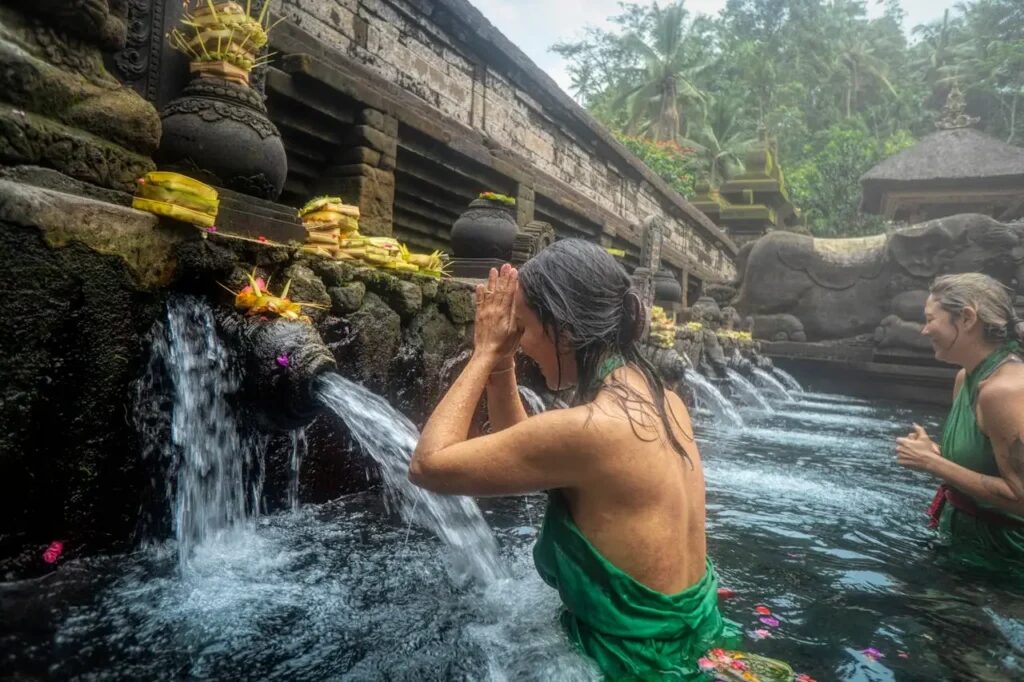
For two decades, Bali's tourism narrative was built on three pillars: spiritual retreats in Ubud, surf culture in Canggu, and nightlife in Seminyak. The infrastructure, marketing, and villa stock all optimized around those use cases. That positioning is being actively disrupted by a traveler cohort that is younger, more physically capable, and fundamentally uninterested in the traditional Bali experience.
The Market Numbers
The Global Wellness Institute's most recent sector report puts wellness tourism at a $1.4 trillion global market growing at approximately 20–21% annually — significantly outpacing conventional tourism's 7–8% recovery trajectory post-pandemic. Within Southeast Asia, Bali captures a disproportionate share of this growth, driven by a combination of infrastructure maturity, cultural cachet, and cost competitiveness that no other single destination in the region matches.
On the accommodation side, properties with wellness infrastructure — cold plunges, saunas, gym equipment, dedicated yoga shala — command 25–40% RevPAR premiums over comparably located villas without those features. The yield math on wellness upgrades now closes for operators at much lower nightly rate assumptions than it did three years ago, which is driving accelerating investment.
Why Bali Specifically
Climate is the first advantage: Bali's year-round warmth makes outdoor training — beach runs, pool-based strength work, early morning yoga on open-air platforms — viable 365 days a year in a way that no Western destination can match. The dry season (April through October) is particularly compelling for performance travelers, with low humidity mornings and reliable sunshine.
Cost is the second structural advantage. A performance traveler in Bali can access a private villa with a pool and gym infrastructure, daily CrossFit classes, sports massage three times a week, and nutritionally dense food at a total daily spend of $180–$350 USD. The equivalent experience in Lisbon, Dubai, or Miami runs $600–$1,200/day. The arbitrage is not subtle.
Culture is underrated as a factor. Balinese culture has a genuine orientation toward physical and spiritual discipline — the practice structures, the temple rhythms, the integration of movement and ceremony — that resonates with wellness-oriented travelers in a way that manufactured wellness destinations do not. It feels earned rather than performed.
The Wellness Traveler Profile
The typical Bali wellness traveler in 2026 is 28–42 years old, earns above $120K USD annually (often remotely), trains 4–6 days per week at home, and books trips specifically around maintaining or advancing a structured fitness program. They use continuous glucose monitors, track HRV, supplement deliberately, and research accommodation the way they research training protocols — methodically, with specific criteria. They stay 2–4 weeks, spend more per day than leisure tourists, review properties in detail, and return if the experience delivers.
What Wellness Travelers Want vs. Conventional Tourists
The divergence in preference is significant and has direct implications for villa operators. Conventional leisure tourists prioritize aesthetics, beach proximity, nightlife access, and Instagram value. Wellness travelers prioritize functional infrastructure: fast internet for work sessions, reliable gym equipment, recovery tools, and food options that support their training. Infinity pool photos still appear on their itineraries — but an infinity pool without a cold plunge is increasingly a dealbreaker, not a selling point.
This group also stays differently. Where a leisure tourist books a 7-night weekend extension, a wellness traveler books 3–6 weeks and structures the trip as a deliberate training block. The accommodation is base camp. Daily life is organized around training sessions, recovery modalities, and work — the beach is secondary.
How Villa Operators Are Responding
The investment wave is visible across Berawa, Pererenan, and parts of Ubud. Operators who understand the demand signal are retrofitting existing villas with cold plunge units, installing squat racks and barbells in garden spaces, partnering with local gyms to offer guests complimentary drop-in access, and restructuring their menus toward macro-aware options. New builds increasingly spec wellness infrastructure from the start — a structural squat cage and cold plunge unit are appearing in project designs the way a pizza oven would appear in a leisure villa spec.
Platform data supports the investment case. Villas with cold plunge listings on wellness-focused platforms see 31% higher click-through rates than equivalent listings without. Properties that combine sauna + cold plunge + gym equipment see average booking values 40% higher than the market baseline in comparable locations. The signal is clear enough that operators ignoring it are making an active market positioning choice.
The Outlook
The wellness tourism trajectory in Bali is not a trend cycle. The travelers driving it are not a passing demographic cohort — they are the leading edge of a broader cultural shift toward performance as lifestyle identity. As remote work continues to normalize extended international stays and as the fitness optimization community continues to grow, Bali's infrastructure advantage and cost position become more, not less, valuable. Operators who invest ahead of this curve will have built meaningful competitive moats by the time the laggards arrive.
More from the Journal
Why Every Luxury Villa Should Have an Ice Bath
Cold plunge installations are moving from performance labs into premium villas across Bali. Here's the science, the economics, and what discerning guests now expect.
Feb 17, 2026 · 8 min read
Area GuideThe Complete Canggu Fitness Guide
Canggu has quietly become Southeast Asia's most serious fitness destination. This is where to train, eat, run, and recover across Berawa, Batu Bolong, and Echo Beach.
Feb 9, 2026 · 9 min read
WellnessContrast Therapy: The Complete Recovery Protocol
Sauna and cold plunge contrast therapy is the most evidence-backed active recovery tool available. Here is the exact protocol, the mechanism, and how to implement it across a training week.
Jan 14, 2026 · 10 min read